Turning Hand Hygiene Into Engagement: The Power of Gamification in Healthcare
Turning Hand Hygiene Into Engagement: The Power of Gamification in Healthcare
CLINICAL STORIES
Sophie Blair
1/15/20263 min read
Hand hygiene is foundational to safe care in any clinical environment. Every infection control guideline — from CDC to WHO — highlights consistent and correct handwashing as the single most effective practice for reducing healthcare-associated infections (HAIs). Yet even in high-performance hospital systems, compliance rates often fluctuate below ideal levels due to human behavior, workflow pressures, and lack of real-time feedback.
This is where gamification enters the picture.
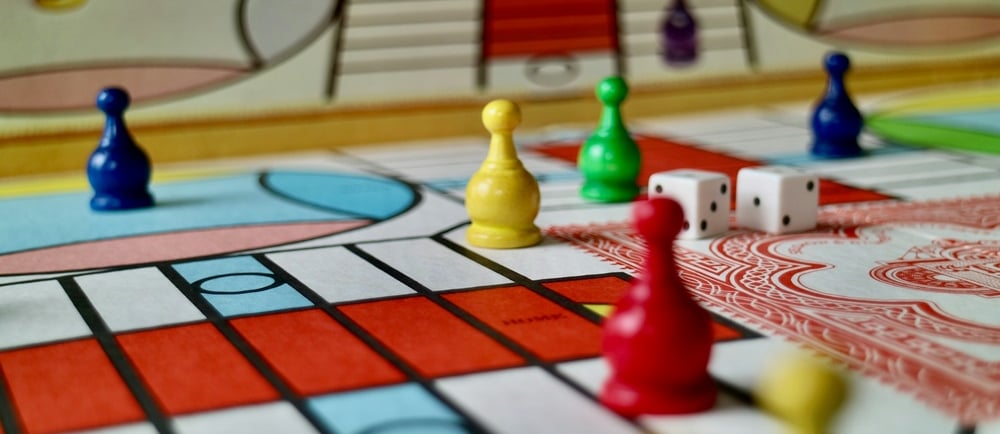
Unlike traditional education or audit approaches that rely on compliance audits or static reminders, gamification incorporates game-like elements — real-time feedback, points, challenges, friendly competition, and progress indicators — into daily clinical routines. It leverages intrinsic human motivators such as mastery, recognition, and achievement to transform a mandatory task into a personally engaging activity. Studies in broader healthcare contexts demonstrate that gamification can meaningfully increase engagement and reinforce desired behaviors when well-designed, especially in digital health interventions.
Why Gamification Matters for Hand Hygiene
Hand hygiene is both simple and complex: simple in concept but complex in consistent execution. Most clinicians genuinely want to comply, but in the frenetic pace of care delivery, compliance can unintentionally slip. Traditional training programs — slides, posters, annual modules — fail to provide ongoing reinforcement at the point of need.
Gamification closes this gap by embedding immediate, actionable feedback into the workflow. For example:
Real-time visual or auditory cues when a handwash is done correctly
Points for meeting compliance thresholds over defined shifts or units
Leaderboards for teams or departments
Reward badges for streaks of high compliance
This converts handwashing from a background requirement into a measurable, trackable, and even rewarding activity. Clinical teams tend to respond well when they can see their performance improve and are recognized for their efforts.
How Technology Powers Gamified Hand Hygiene
Modern hand hygiene platforms — including the SoapyPro system and its mobile extensions — combine sensor-based tracking with well-designed gamification schemes. These systems go beyond passive counting:
Sensors detect when handwashing occurs and assess the technique
Mobile dashboards provide individual feedback and unit analytics
Gamification layers assign scores, badges, and goals in real time
This means a nurse or physician doesn’t just hear “wash” or “missed” — they see how their technique compares to evidence-based standards and how they stack up against peers and goals. That fosters a sense of progress and ownership that static trainings rarely achieve.
From Compliance to Culture Change
Embedding gamification into hand hygiene training and monitoring does more than nudge behavior. Over time, it cultivates a culture of accountability and continuous improvement. When staff see measurable improvement — and when teams can celebrate collective wins — the needle moves not just on compliance metrics but on attitudes toward infection prevention.
Organizations that adopt gamification thoughtfully often see:
Higher self-reported satisfaction with training and safety programs
Better alignment between individual behavior and organizational safety goals
Higher sustained compliance versus traditional training alone
Greater leadership visibility into real-world performance
These outcomes aren’t just “nice to have” metrics. Consistent hand hygiene reduces pathogen transmission, shortens hospital stays, prevents outbreaks, and lowers costs associated with HAIs — which burden healthcare systems with billions in avoidable expenses annually.
Design Considerations for Effective Gamification
Not all gamification is created equal. Healthcare settings demand careful balance:
Meaningful Metrics: Points or badges must reflect clinical value, not just activity (e.g., technique quality, not raw counts).
Behavioral Psychology: Reward structures should reinforce sustained performance, not just short-lived bursts.
Integration with Workflow: Gamified feedback must fit naturally into clinical routines without causing cognitive overload.
Equity and Inclusivity: Design must ensure all staff — across units and roles — can participate meaningfully.
Privacy and Compliance: Data collection and usage must adhere to HIPAA and institutional policies.
Blending these fundamentals with well-engineered platforms results in measurable improvements in engagement and stronger infection prevention performance overall.
The Future of Engagement in Infection Prevention
Gamification is more than a trend; it’s a behavioral design strategy rooted in psychology and data. In a world where clinician burnout and competing priorities strain even the best intentions, technology that makes safe practices engaging and rewarding will be a critical lever in advancing patient safety.
At Soapy, we’re committed to designing systems that don’t just count handwashes — they motivate them, reinforce best practices, and connect every wash to better care outcomes. Our goal isn’t just compliance; it’s a lasting culture of infection prevention that reflects how clinicians want to care for their patients.
Engagement through gamification is the bridge between knowing what to do and choosing to do it — every patient, every time.
ABOUT SOAPY
© 2026. All rights reserved Soapy Care LTD | Designed by VeloGTM LLC